Will a roof window leak?
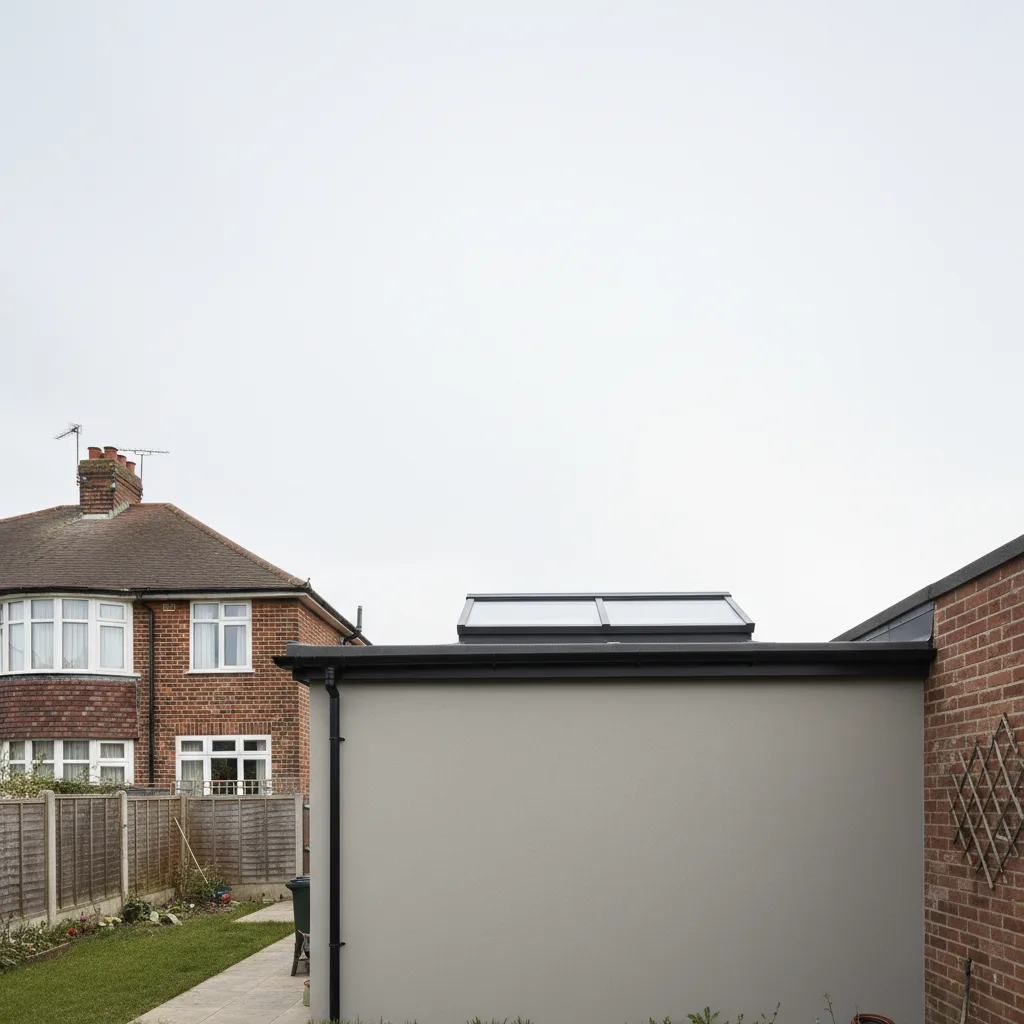
A roof window that is sized right, flashed right and set at the correct pitch should not leak, and the great majority of leaks blamed on the window are actually water finding its way in around it. The glazed unit and its seals are engineered to shed water; the vulnerable part is the joint between the window and the roof covering, and that joint is made on site by whoever fits it.
Where the water actually gets in
Rain almost never comes through the glass or the frame of a modern roof window. Those are factory-made and tested, and the gasket that seals the pane into the sash is doing a job it will do for decades. When a roof window lets water in, the trail nearly always leads to one of a small number of places, and none of them is the window itself.
- The flashing. This is the metal apron and side pieces that weave the window into the surrounding tiles or slates. If it is the wrong flashing for the roof covering, or laid so water can track behind it, the roof leaks around a perfectly good window.
- The pitch. Every roof window has a minimum pitch it is rated for, often around 15 degrees. Fit one on a shallower slope than it is designed for and rain sits on the glass instead of running off, and eventually it works past the seals it was never meant to hold back.
- The underlay and drainage gutter. A window set into a pitched roof needs the felt or membrane dressed correctly around the opening, with a drainage channel above it that carries run-off around the frame. Miss that and any water that gets under the tiles has nowhere to go but in.
- Condensation mistaken for a leak. A cold pane in a steamy bathroom or kitchen runs with water on the inside. It looks exactly like a leak and is nothing of the kind. It is warm indoor air meeting cold glass, and the answer is ventilation and glazing specification, not roofing.
Work through that list and you can usually tell a fitting problem from a product problem without going up a ladder.
The flashing is the part that earns its keep
On a pitched roof the flashing kit is what makes a window watertight, and it has to match the covering it sits in. A flat interlocking concrete tile, a deep Roman tile, a natural slate and a plain clay tile all present a different profile to the metal apron, and each takes a different flashing. Slate and low-profile tiles use a recessed flashing that sits close to the roof line; deep-profile tiles need a raised kit that lifts the apron over the contours so water cannot pool against it.
The apron below the window is the piece that does the heavy lifting, throwing run-off clear onto the tiles below. Above the window, the water has to be led around the frame rather than allowed to dam against the top edge. Get either wrong and the window can pass a light shower for a year, then let go the first time a storm drives rain up the slope. This is the detail that separates a lasting installation from one that will disappoint, and it is covered properly in our pitched roof skylight installation work, where the flashing is chosen to suit the exact roof it is going into.
An old window that has started letting water in
Roof windows do not last forever. The moving gaskets on an opening unit harden and shrink over fifteen or twenty years, the timber of an older wooden frame can soften if it has been damp for a long time, and the flashing on a unit fitted decades ago may have been the wrong kit from the start. At that point the window has reached the end of its service life, and the sensible answer is to take it out and put a current unit in its place.
That is a replacement, and it is exactly the kind of work we do. The opening is already there, the roof is already cut, and the job is to remove the tired unit, make good the drainage and underlay around the hole, fit the correct flashing for the roof, and set a modern window into it. You get a fresh guarantee and a chance to improve the glass at the same time, which matters more than most people expect and is worth reading the next chapter for.
If the window itself is sound and only a tile has slipped or a length of flashing has lifted, that is a roofing job rather than a replacement, and a local roofer is the right person to call. Knowing which of the two you are looking at saves you paying for the wrong trade.
Driving rain, orientation and the estuary
Exposure changes how hard a roof window has to work. Southend-on-Sea faces south across the Thames Estuary, and the weather that matters here often comes off the water on a south or south-westerly wind, driving rain up the slope of a south-facing roof rather than letting it fall straight down. A flashing detail that would be fine on a sheltered inland roof has to be right on an exposed estuary elevation, because wind-driven rain probes every joint it can reach.
The same south-facing rear roofs that catch that driving rain are the ones that cook in summer, and while the two problems are separate, the moment to deal with both is the same. When a window is coming out and going back in, the glass going into it is a free choice. On a south-facing roof that means asking for a low G-value, solar-control unit, so the room is not turned into a greenhouse from mid-morning to late afternoon. Orientation drives the glazing decision, and our energy-efficient skylight installation work starts from which way the roof faces before it gets anywhere near the unit. A watertight window that overheats the room below has only solved half the problem.
How to keep a new window from ever leaking
Most of what keeps water out is decided before anyone climbs onto the roof.
- Check the pitch against the window. Confirm the roof slope is within the range the unit is rated for. On a shallow pitch, a flat-roof rooflight or a lantern is often the better answer than forcing a pitched-roof window onto a slope it was not made for.
- Match the flashing to the covering. The kit is specified from the actual tile or slate, not guessed. Deep-profile coverings need the raised flashing; slate and flat tiles take the recessed one.
- Get the drainage and underlay right. The membrane has to be dressed into the opening and a gutter formed above the frame so under-tile water is led away, not trapped.
- Deal with condensation separately. In a bathroom or kitchen, plan the ventilation and the glass specification so the pane does not stream with indoor moisture. That is comfort engineering, not roofing, and it is easy to build in at the start.
Do those four things and a roof window stays dry through the sort of weather south Essex actually gets.
So, what to do next. If you have a leak now and the window is sound, call a roofer to look at the flashing and the tiles around it. If the unit is old, tired or the wrong window for the roof, that is a replacement, and we can take it out and fit a current one with the correct flashing and, where the roof faces south, better glass than it had before. Tell us the roof pitch, the covering and roughly which way it faces, and we will come back with a specification and a price. Ring 01702 898232 or request a quote, and we will look at the whole roof rather than just the window in it.
Related reading
Roof pitch and what it means for a roof window
Roof pitch and what it means for a roof window. What it means in practice on Essex housing stock, and…
What roof pitch do I need for a roof window?
What roof pitch do I need for a roof window? The short answer, then the detail that actually matters.
Fitting a roof window into a tiled roof
Fitting a roof window into a tiled roof. What it means in practice on Essex housing stock, and how we…
How much does a pitched roof skylight cost?
How much does a pitched roof skylight cost? The short answer, then the detail that actually matters.
Do you need planning permission for a roof window?
Do you need planning permission for a roof window? The short answer, then the detail that actually matters.
Slate roofs and flashing kits explained
Slate roofs and flashing kits explained. What it means in practice on Essex housing stock, and how we approach it.