



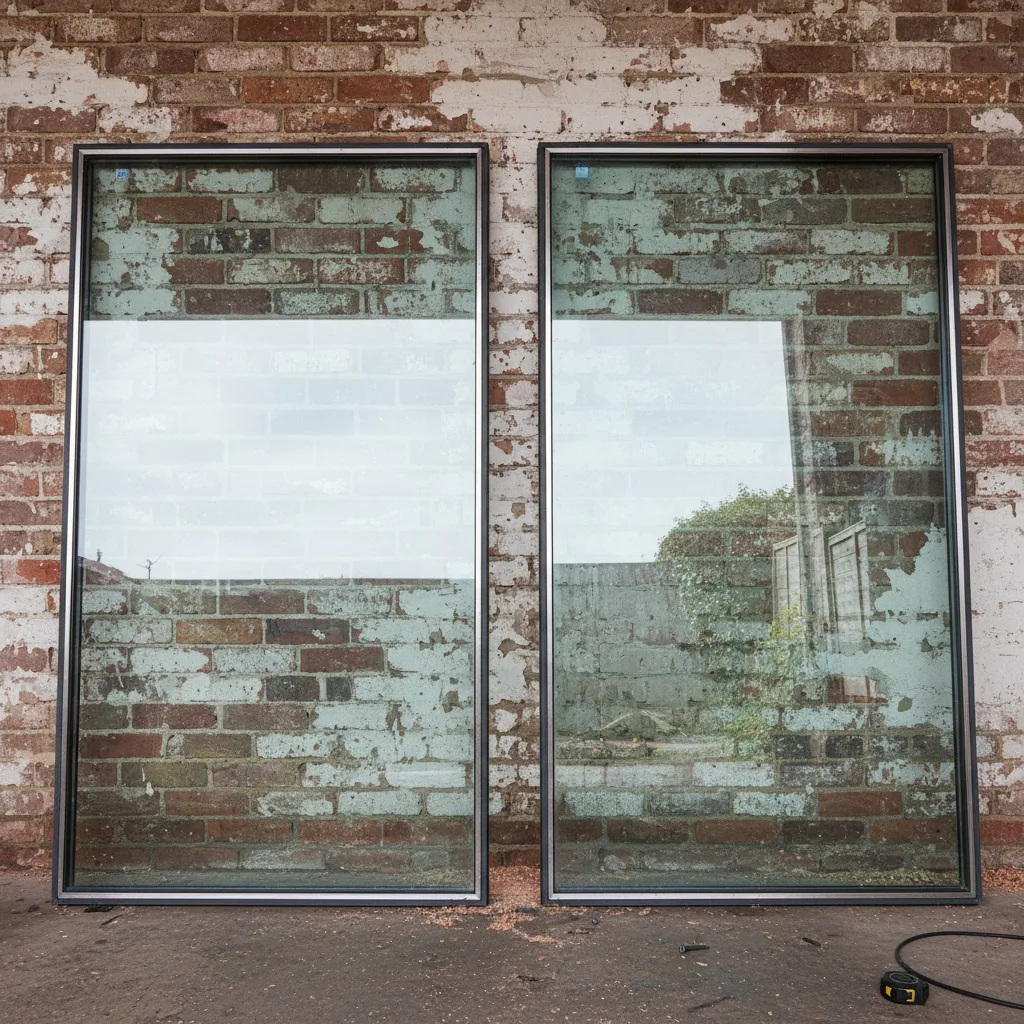


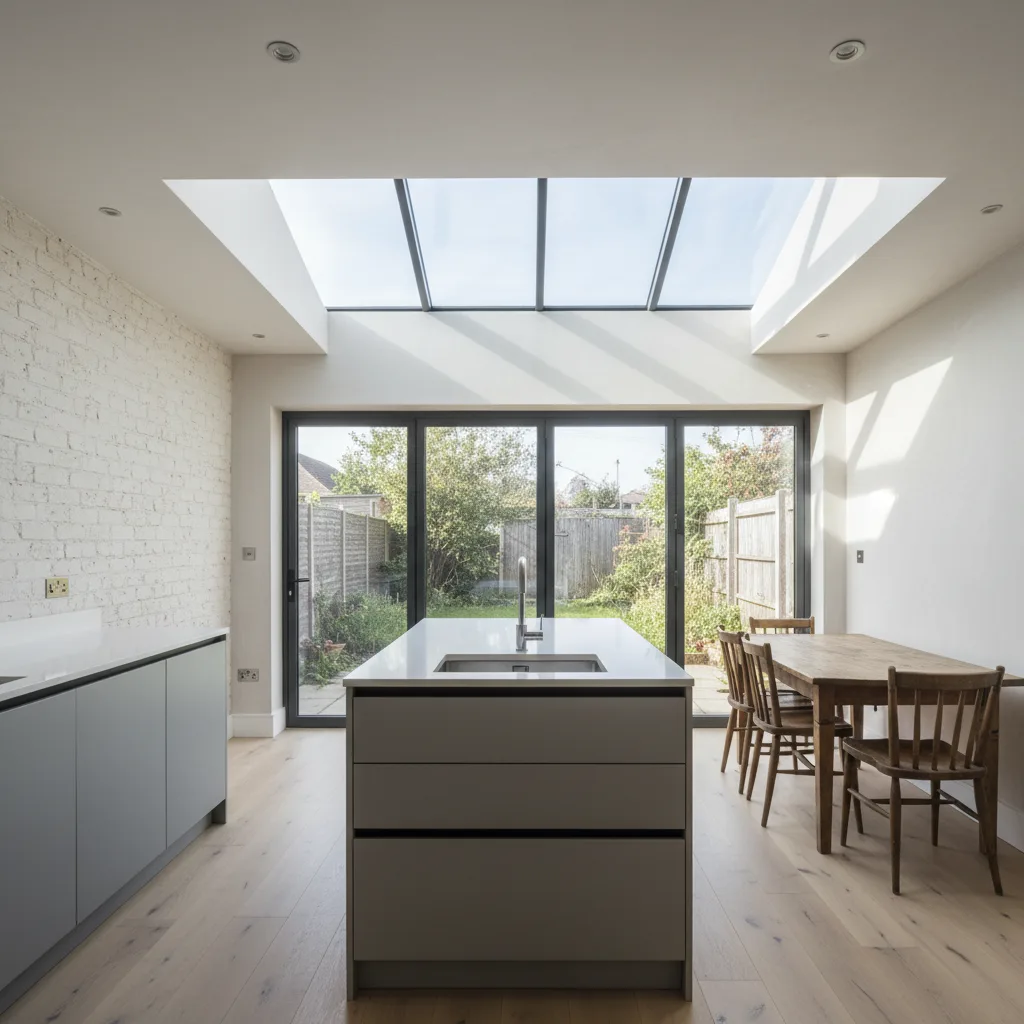
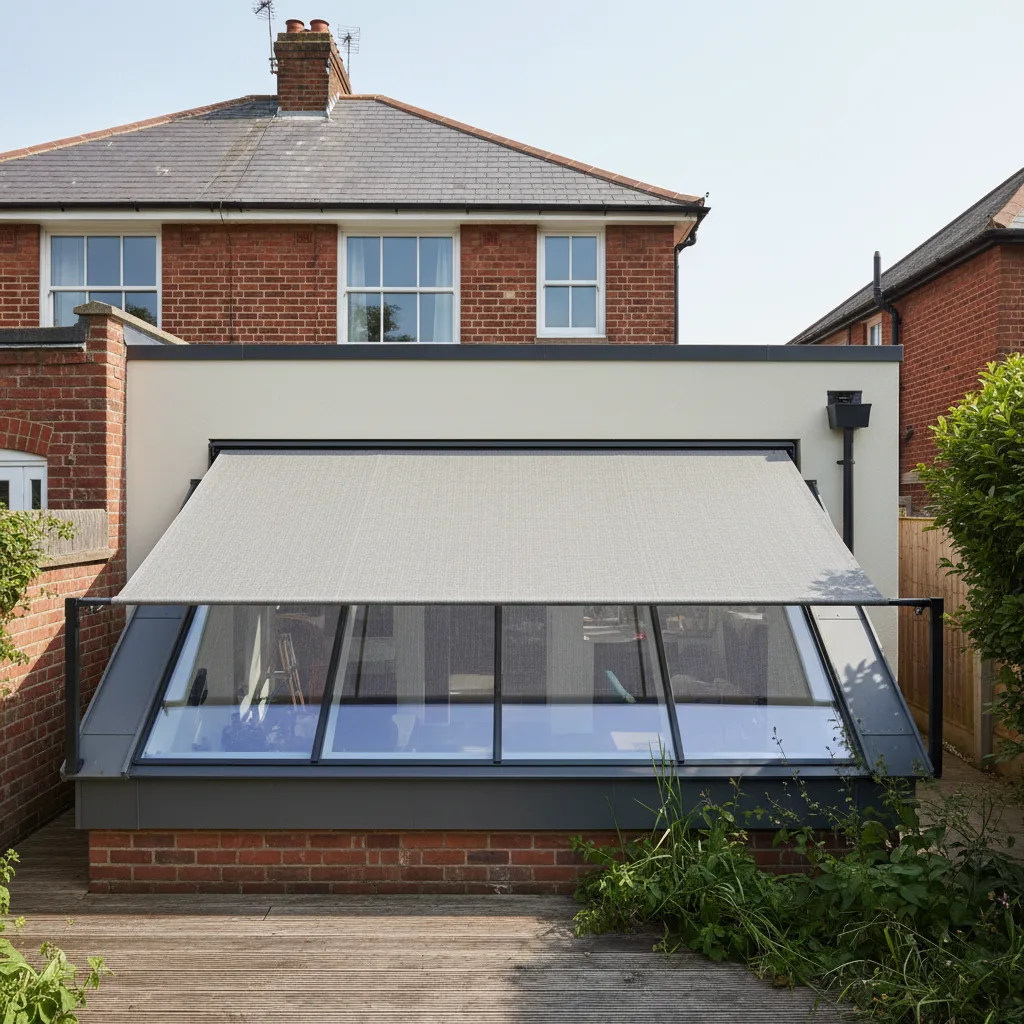


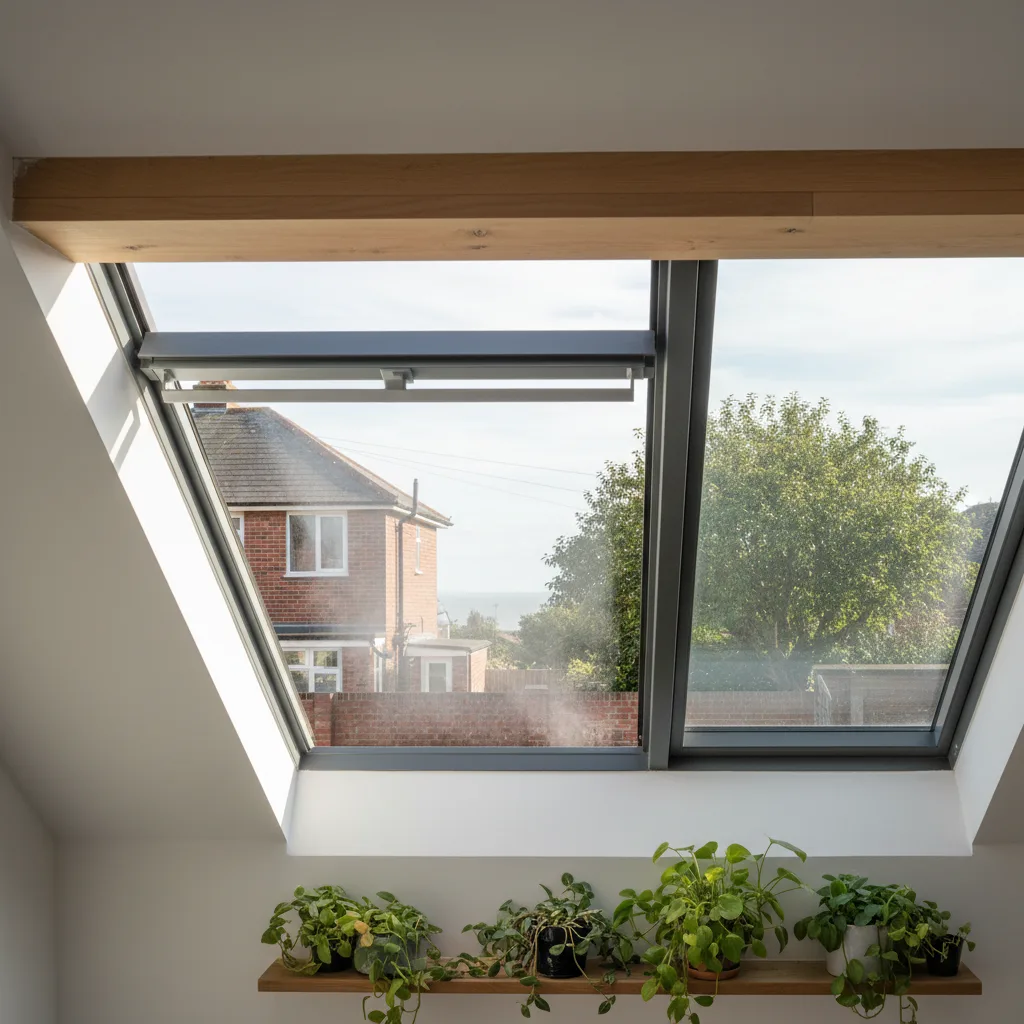

















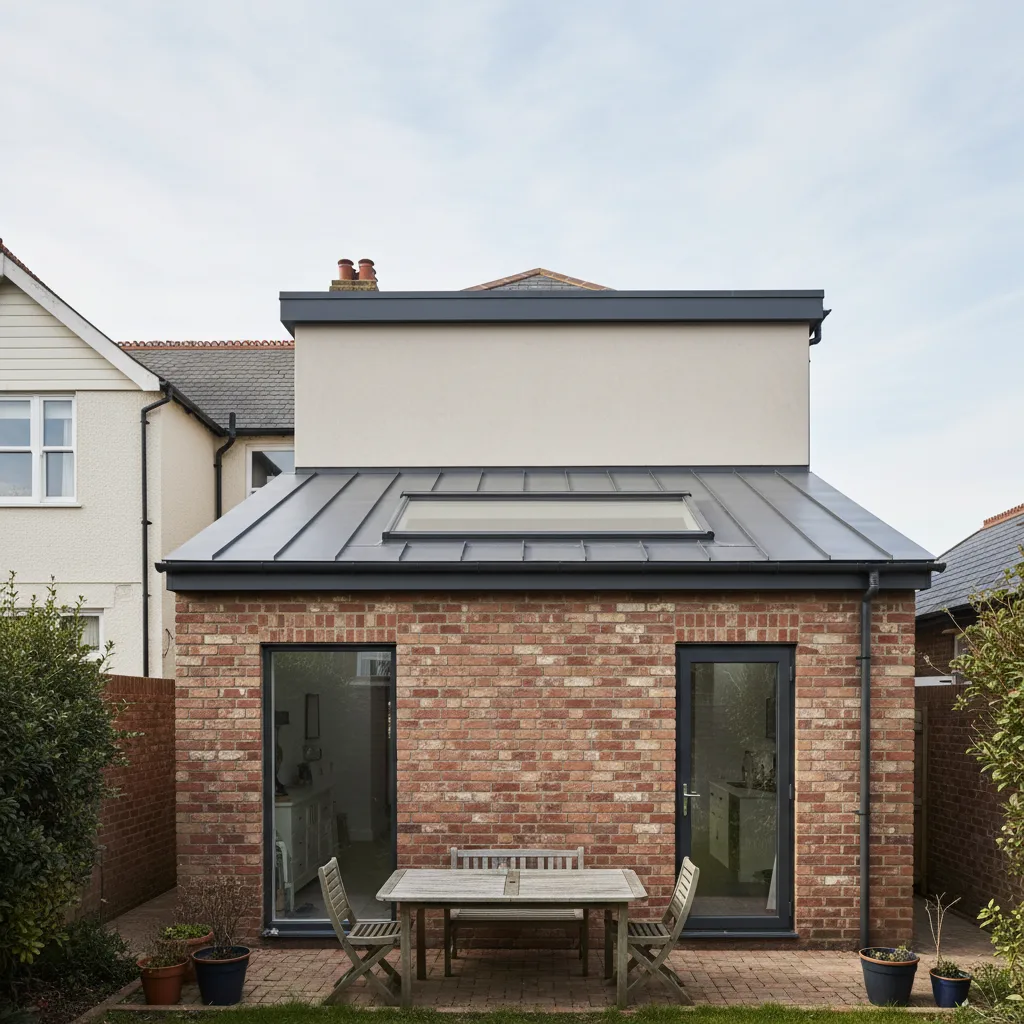
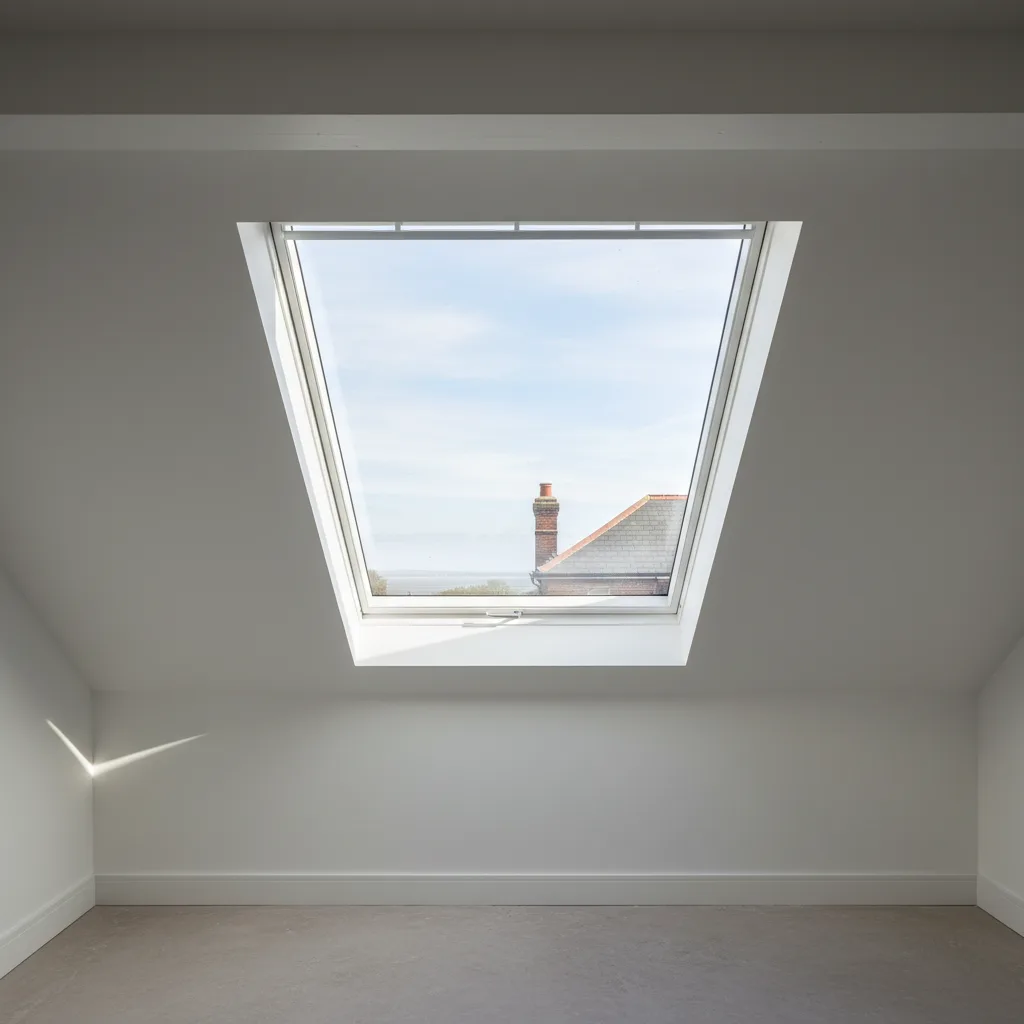

The cards further down this page are sorted into seven groups, one for each of the main ways glass ends up in a roof. Around a dozen guides sit under each group, and every one of them also hangs off its parent page in the service list, so you can arrive from either direction.
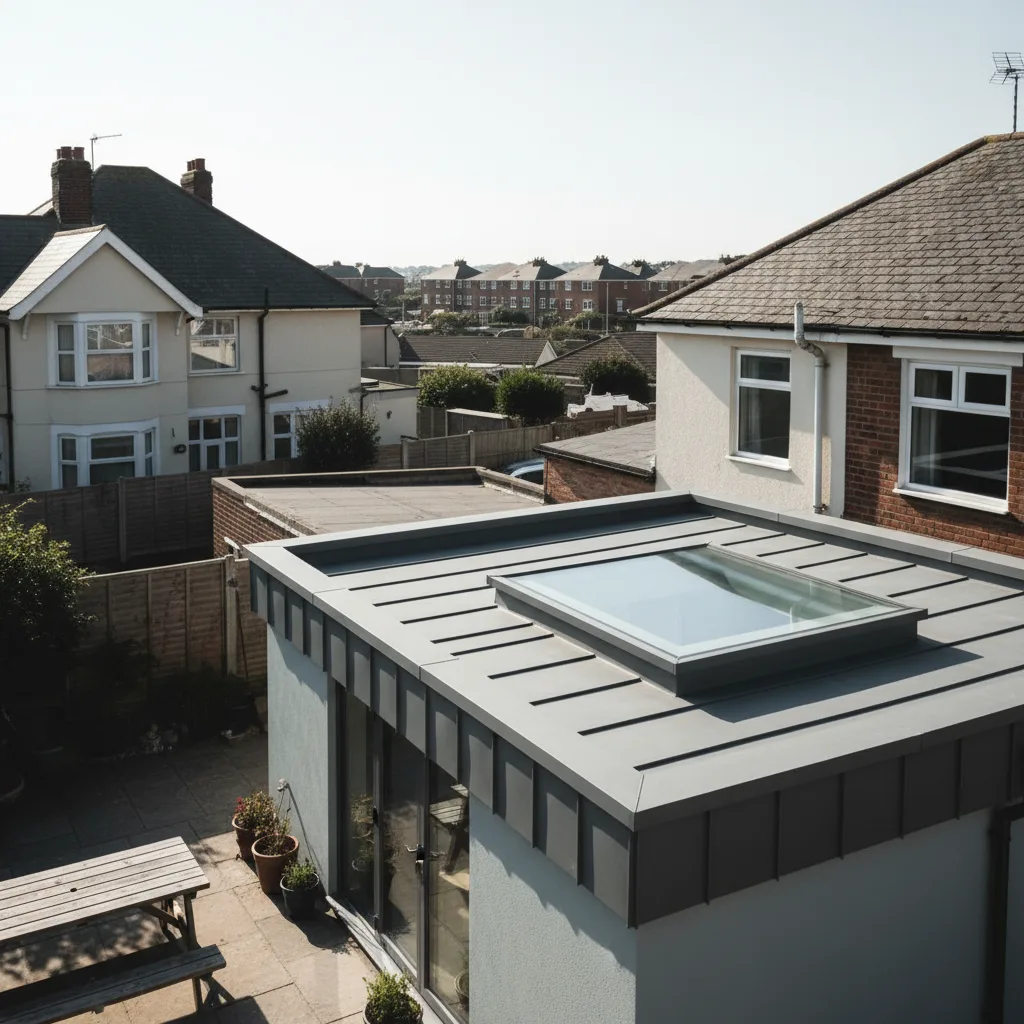
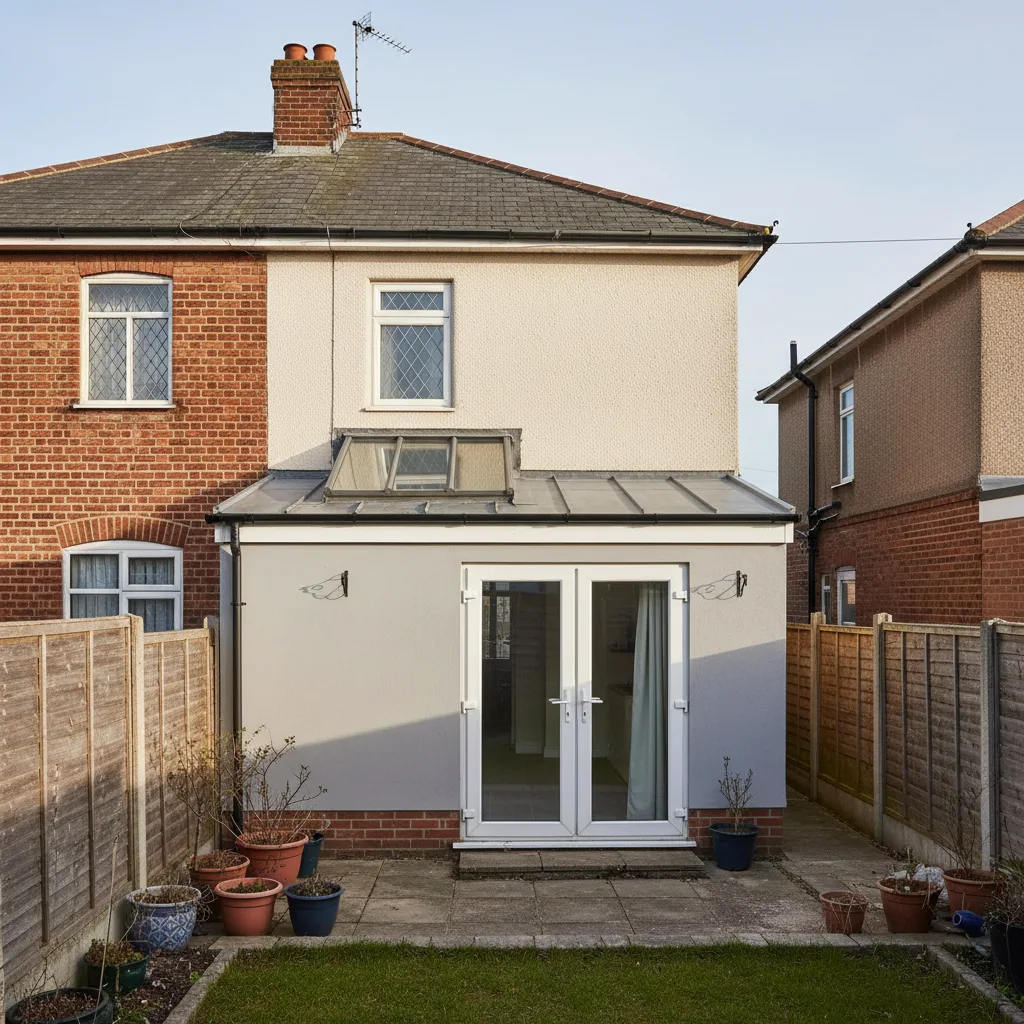
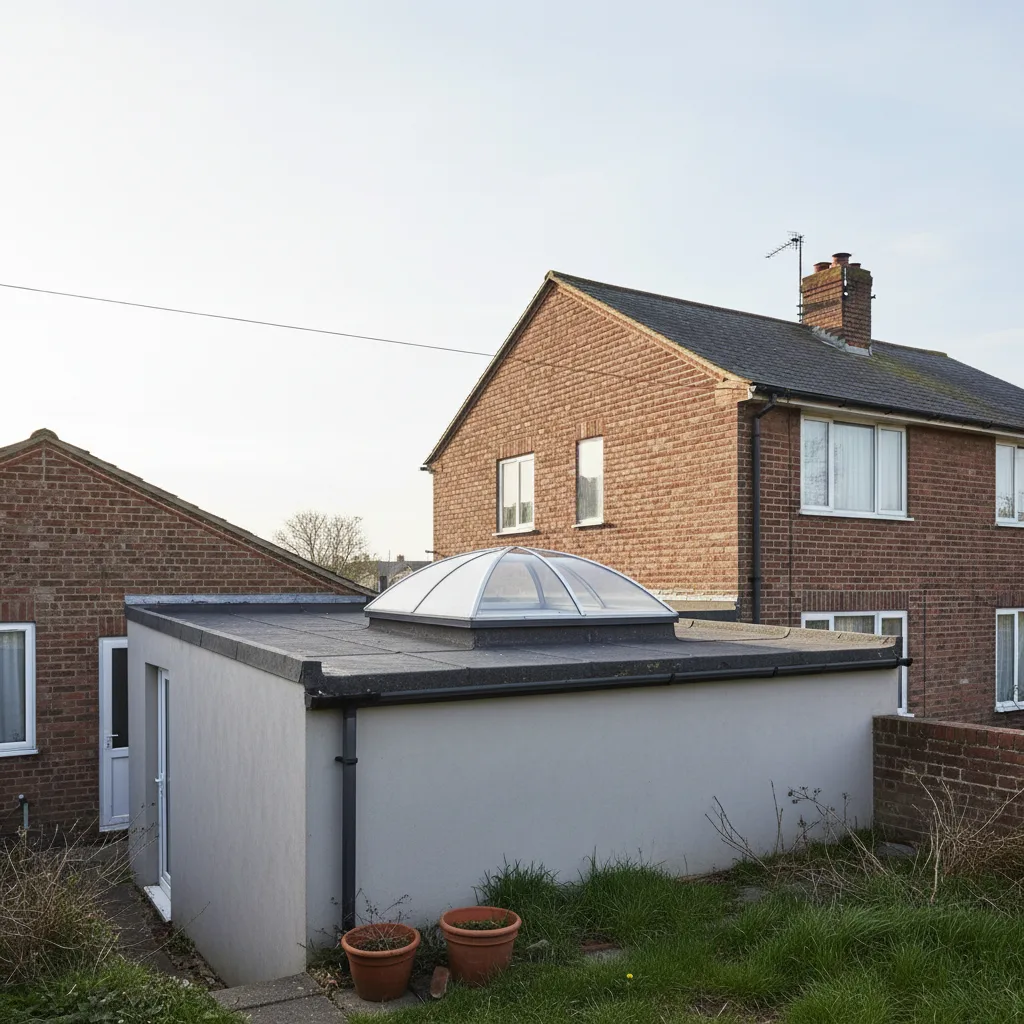
- Roof lanterns. Pitched glass faces raised above a flat deck on a kerb. The guides here cover how the upstand is built and why it decides whether the thing leaks, sizing the frame against the room rather than against the roof, aluminium against timber, condensation on the inside of the glass, and how a lantern sits on the roofline of a 1930s semi without looking bolted on.
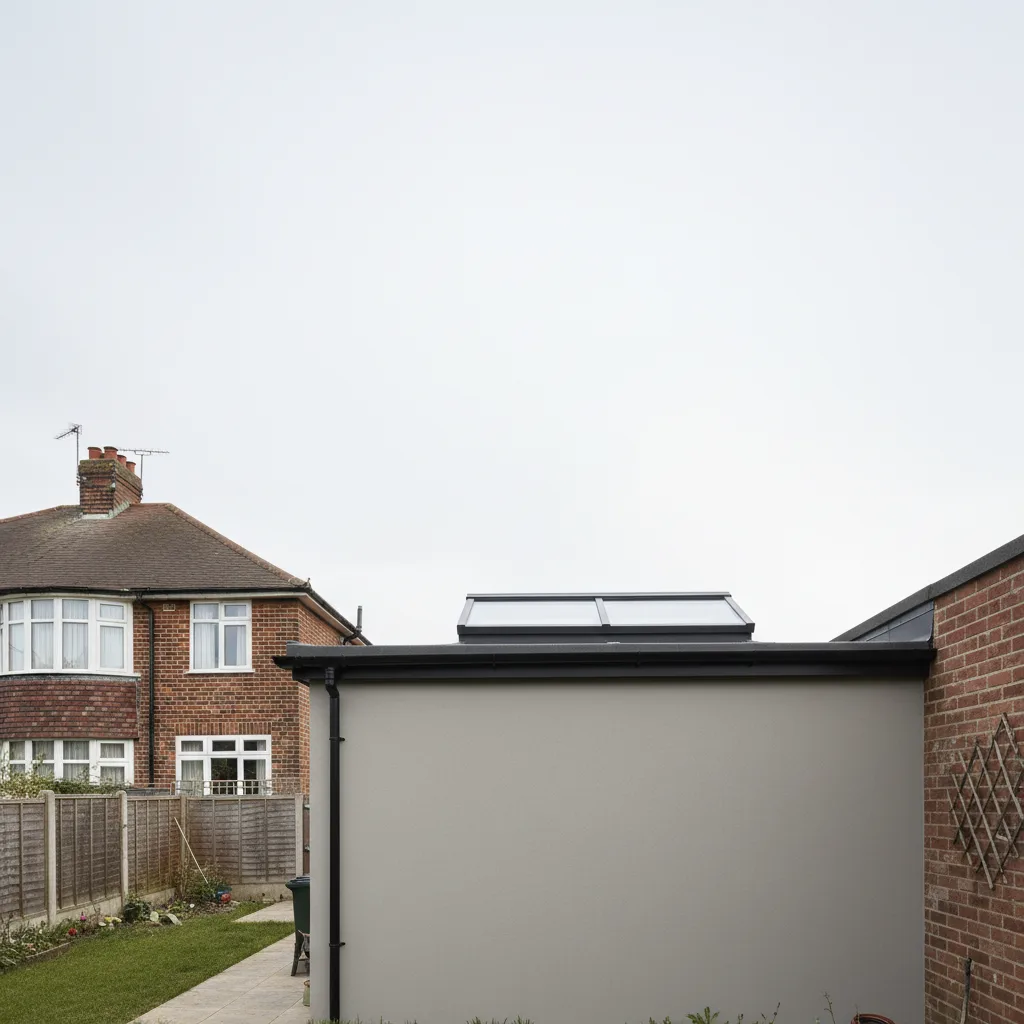
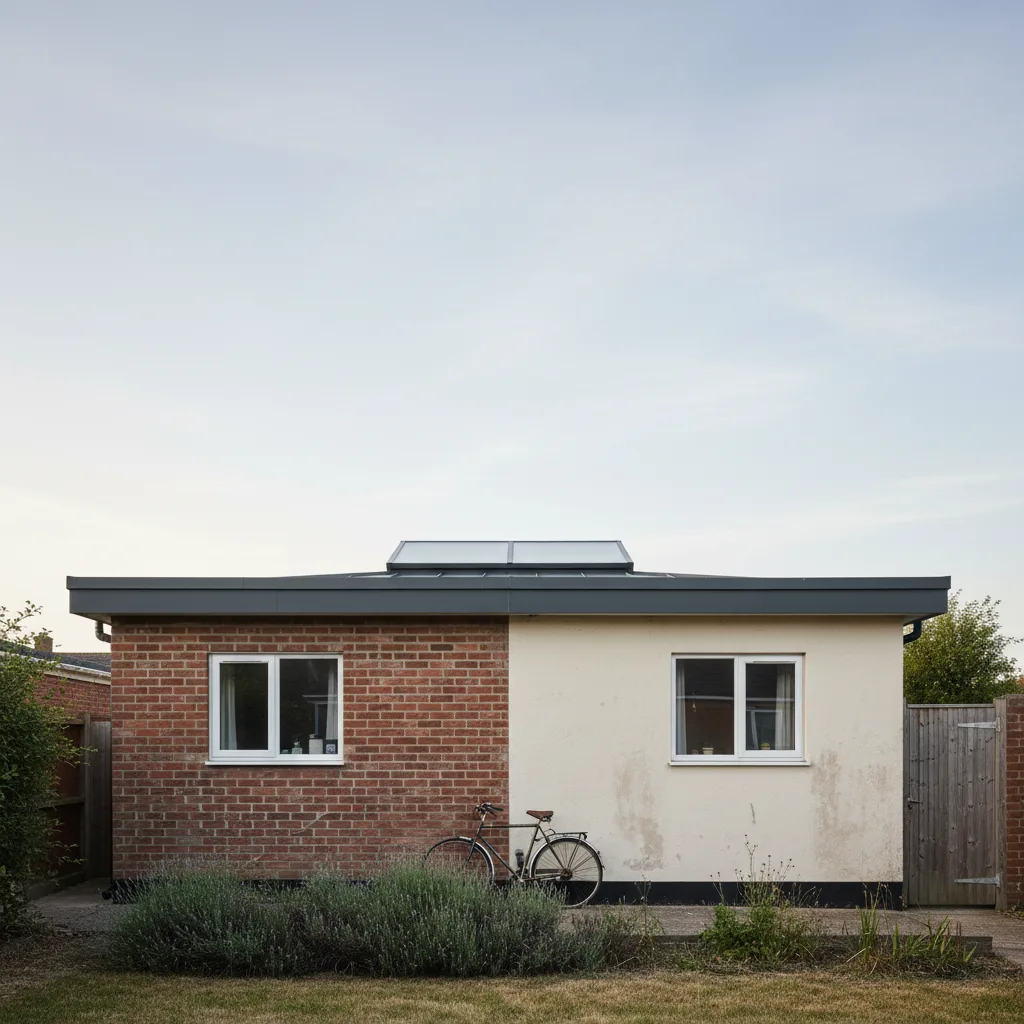
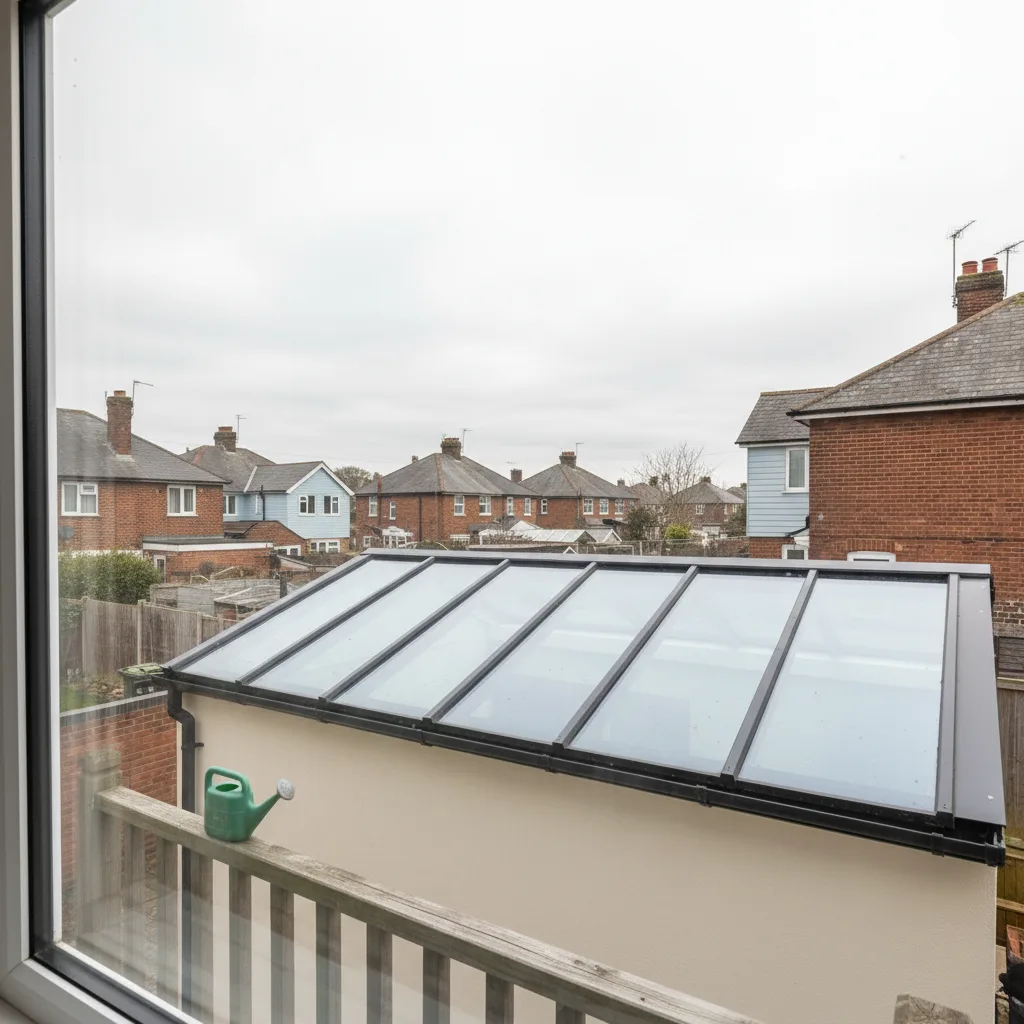
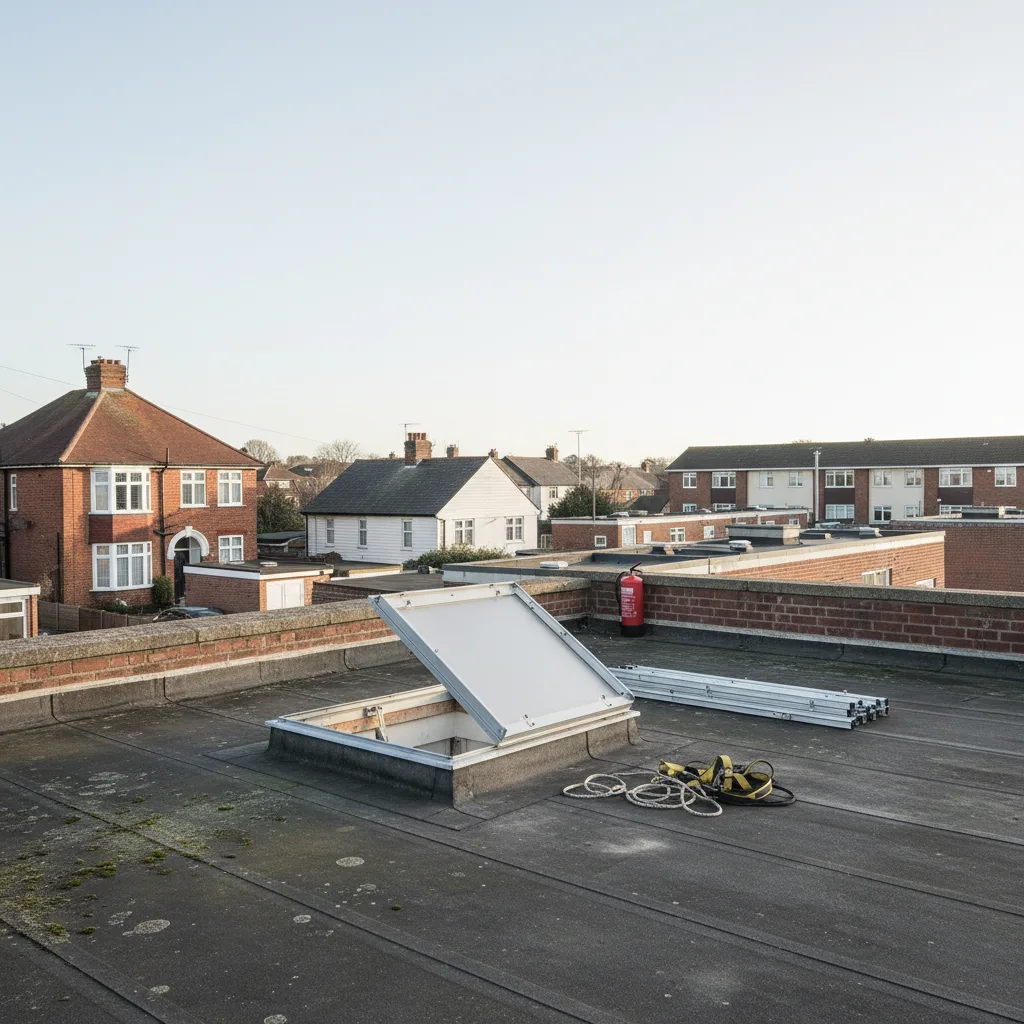
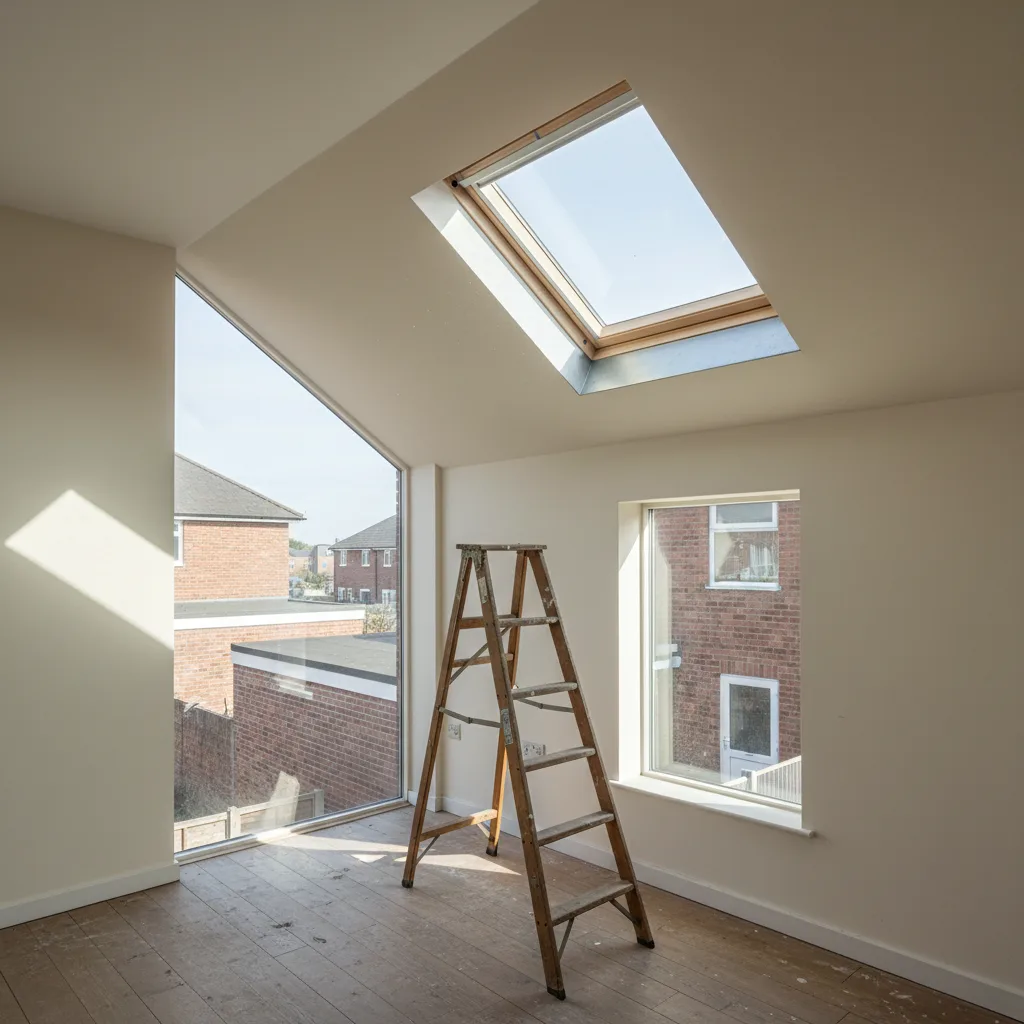
- Flat roof rooflights. Flush and near-flush units. Falls and standing water, warm roof build-ups, walk-on glass and where it earns its cost, single-ply against felt against GRP at the junction, and how many units a given extension actually needs before you are just adding heat.
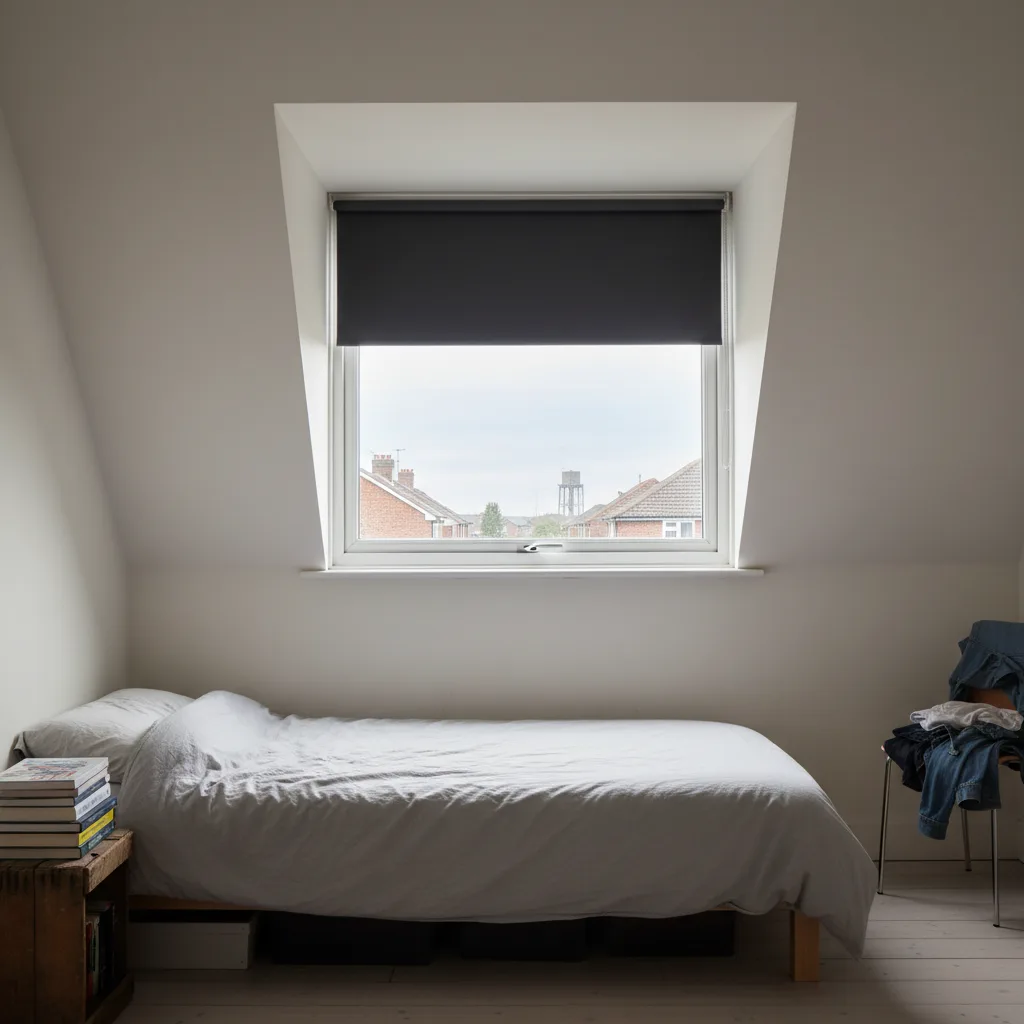
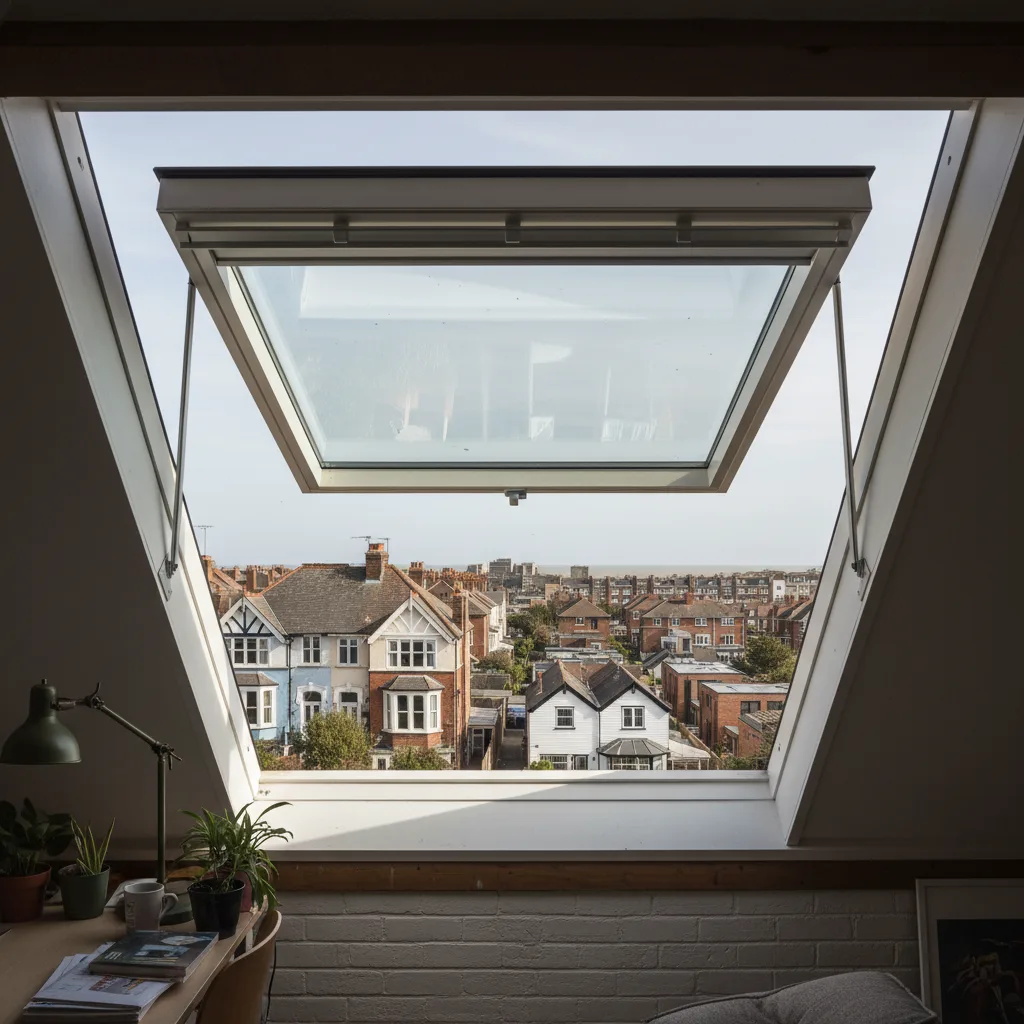
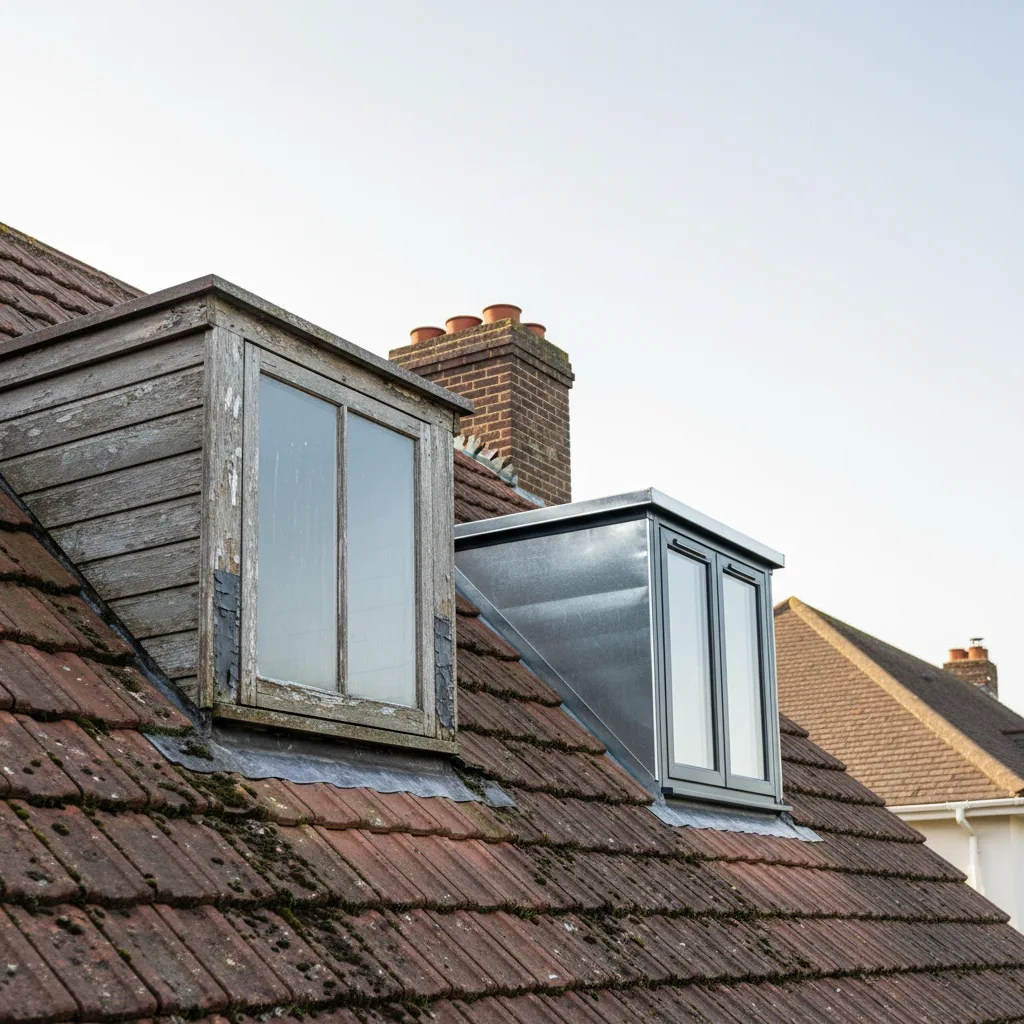
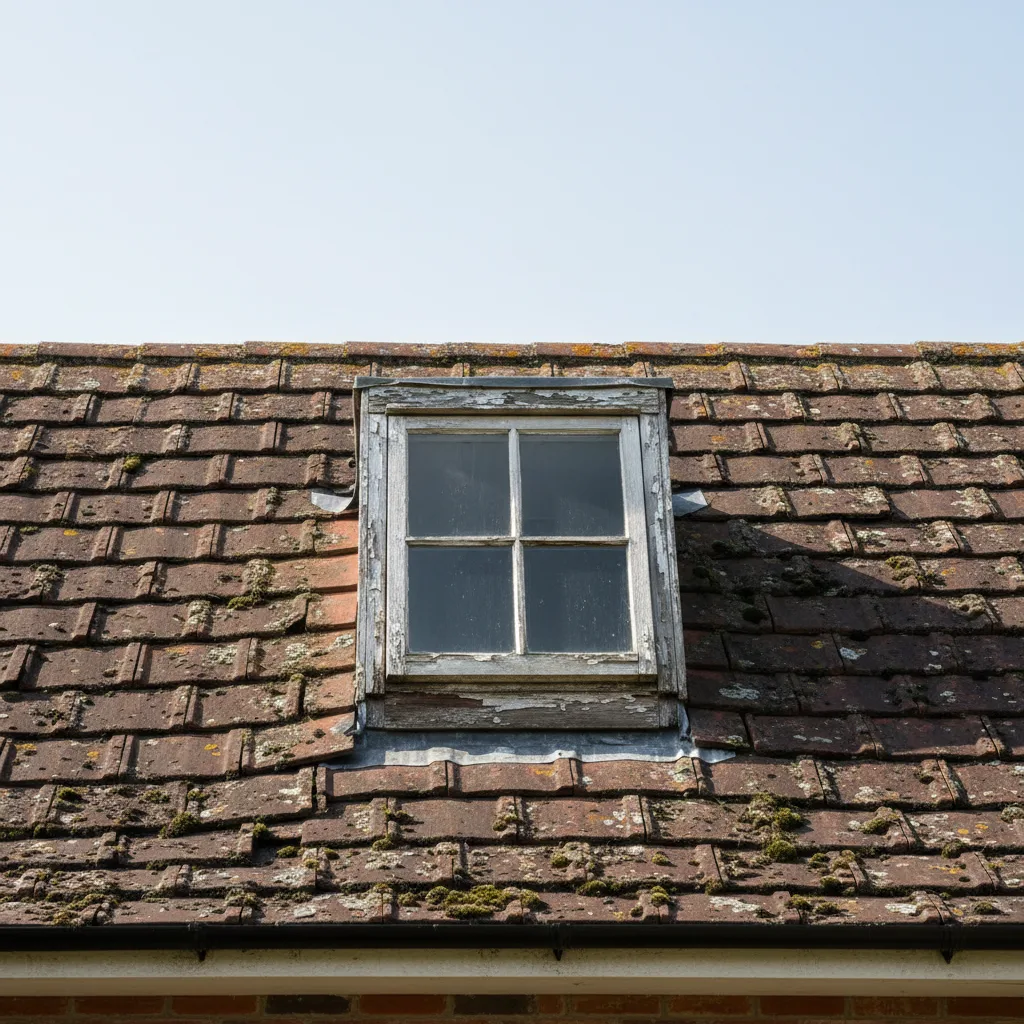
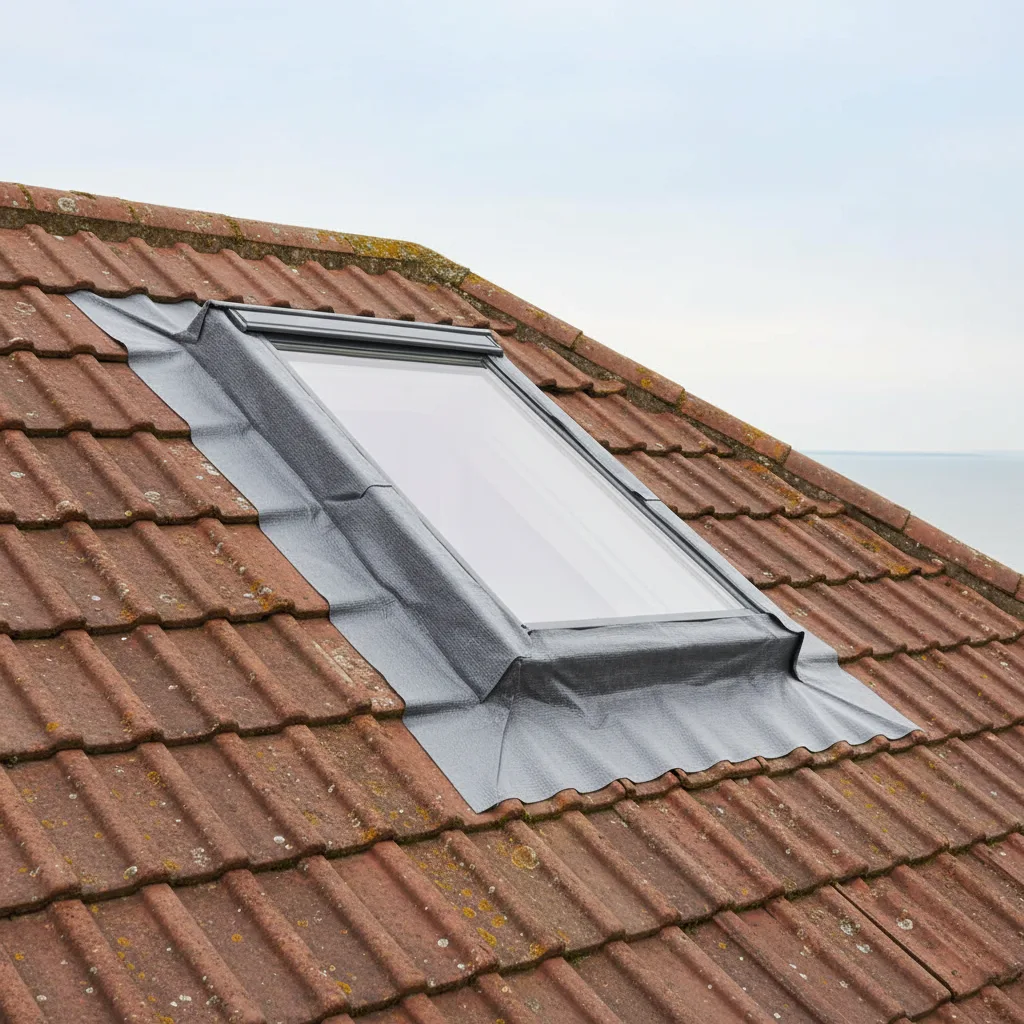
- Pitched roof windows. In-plane windows in tile and slate. Flashing kits, trimming rafters, head height and where in the slope the window wants to be, escape sizes for a loft room, and what happens when you take out a twenty-year-old unit.
- VELUX roof windows. Reading a size code off the data plate, centre-pivot against top-hung, matching a flashing kit to your covering, replacing an old unit with the current equivalent, and the shading range.
- Energy and solar control. The group a south-facing roof makes unavoidable. G-value, U-value, Part L compliance, low-e coatings, warm-edge spacers, glare across a worktop or a screen, retrofitted shading, and ventilation treated as part of the glazing decision rather than a separate afterthought.
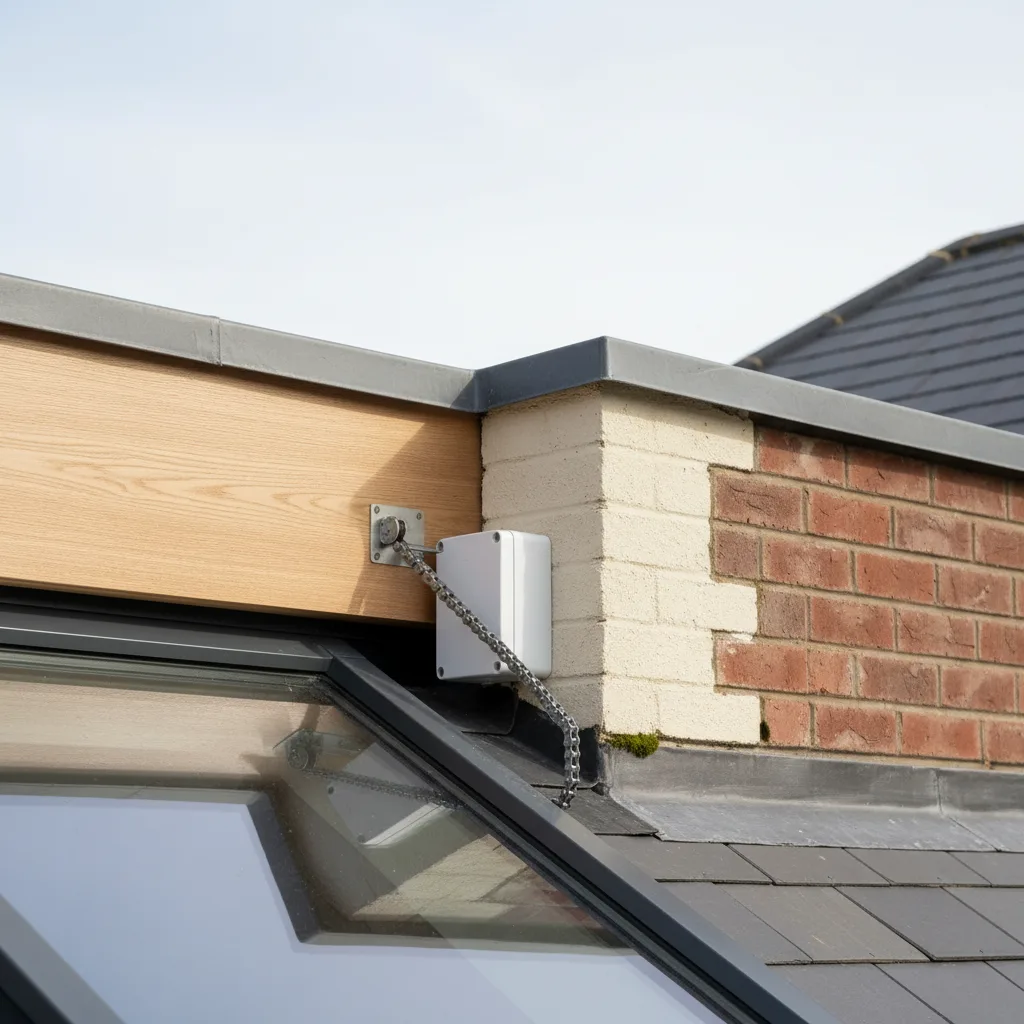
- Electric and opening rooflights. Power and cable routes, chain against spindle against linear actuators, rain sensors, stack ventilation, and how you get at a motor once it is four metres above the floor.
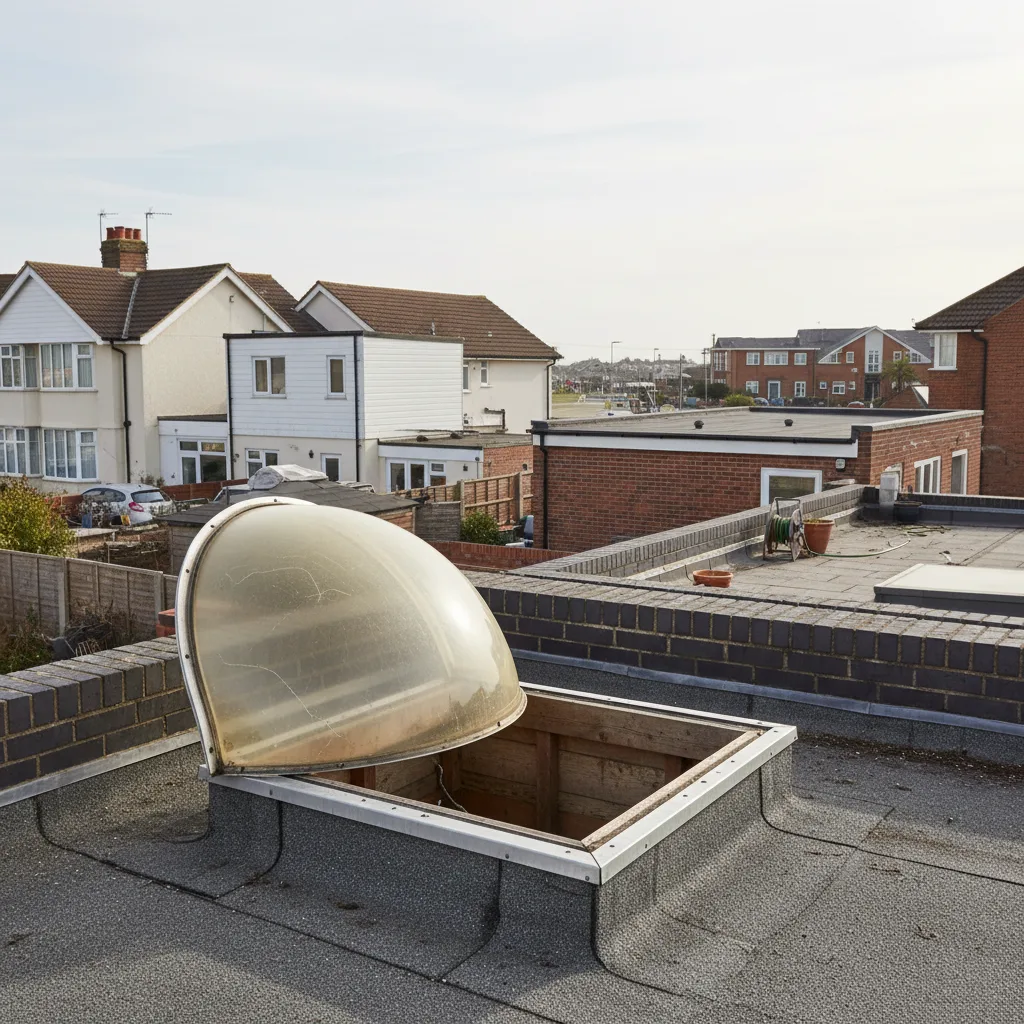
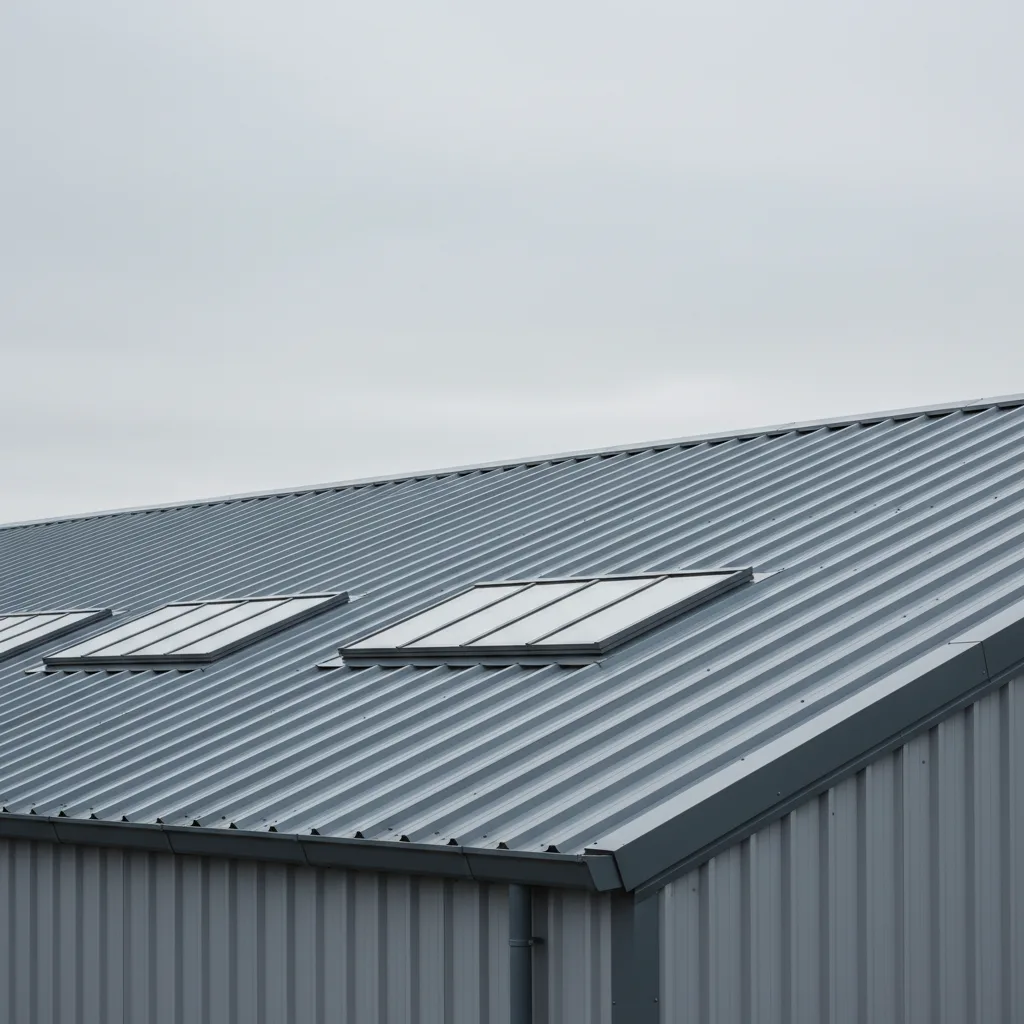
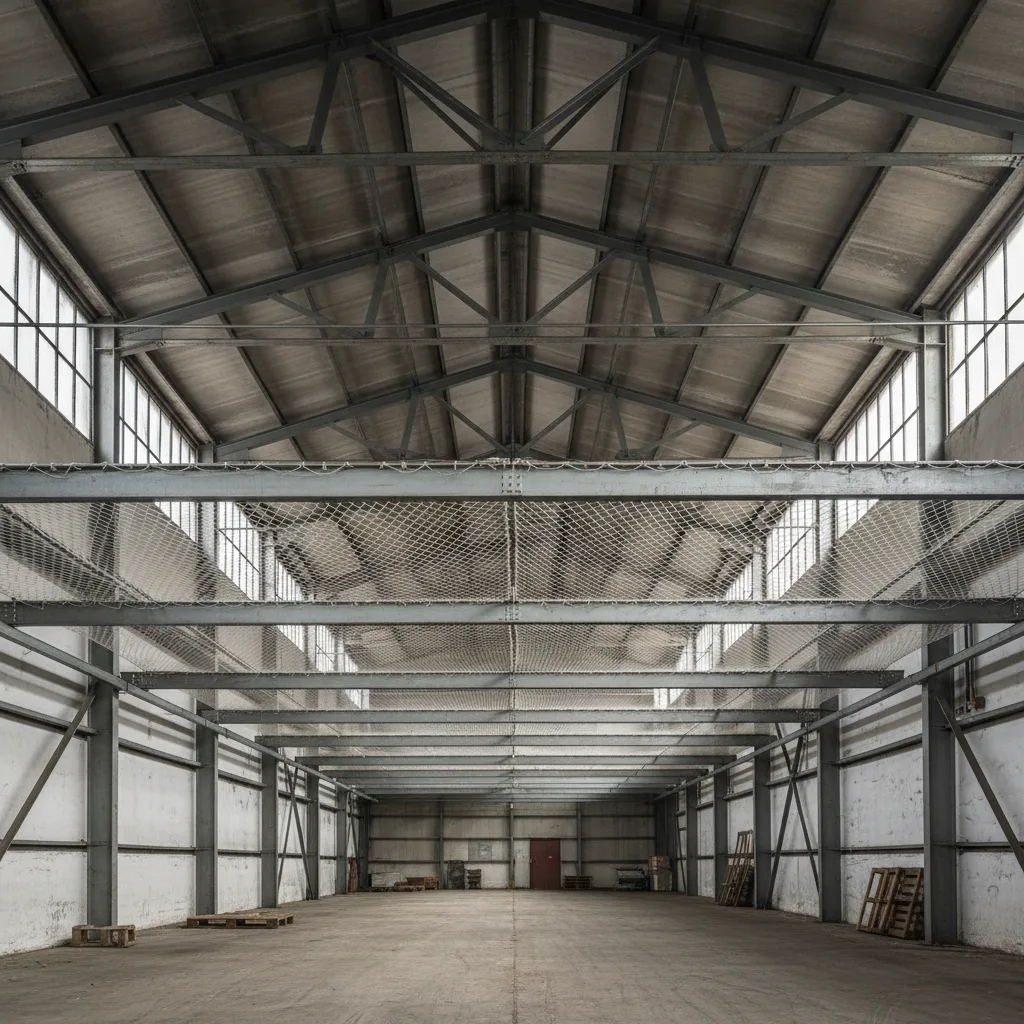
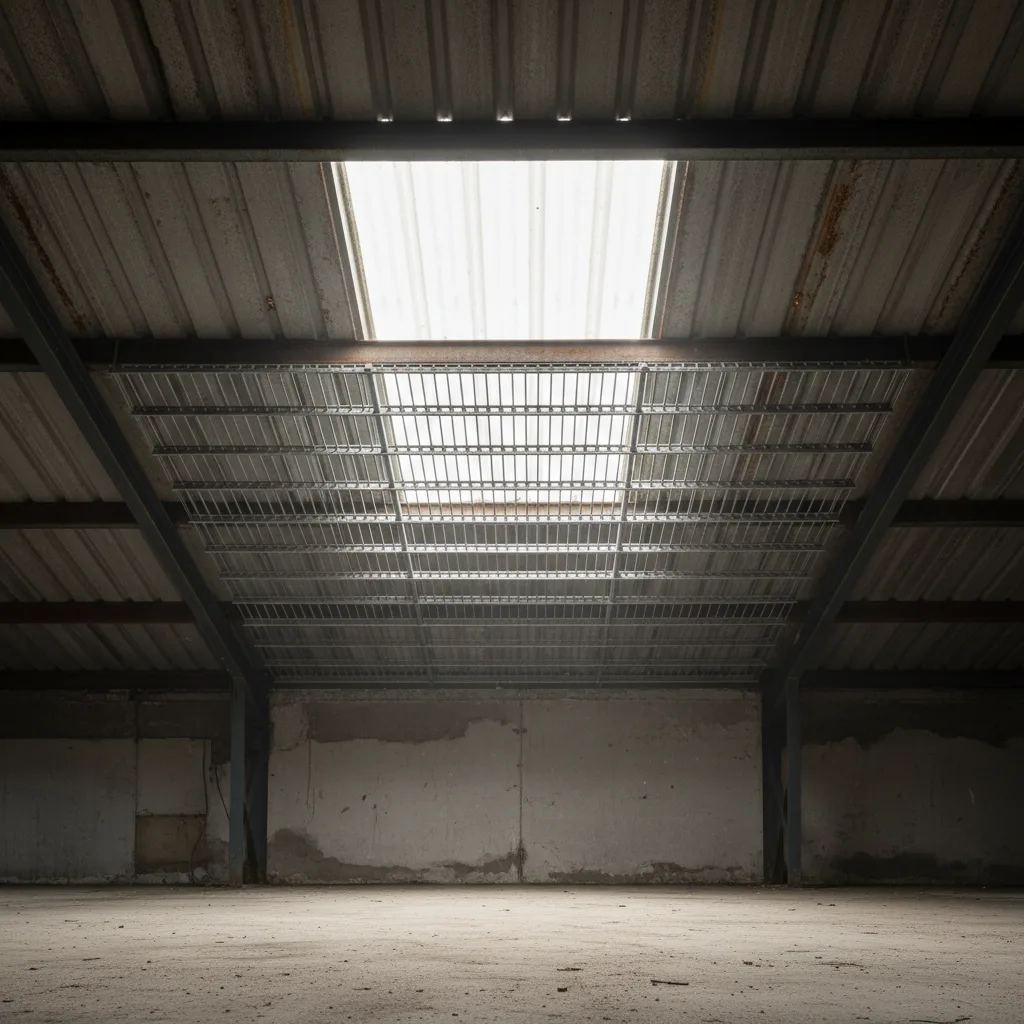
- Commercial rooflights. Non-fragile classification and roof safety, GRP replacement on an industrial roof, in-plane swaps without stripping the covering, phased bay working over an occupied floor, daylight factor in a warehouse, and automatic opening vents.