Are roof windows noisy in the rain?
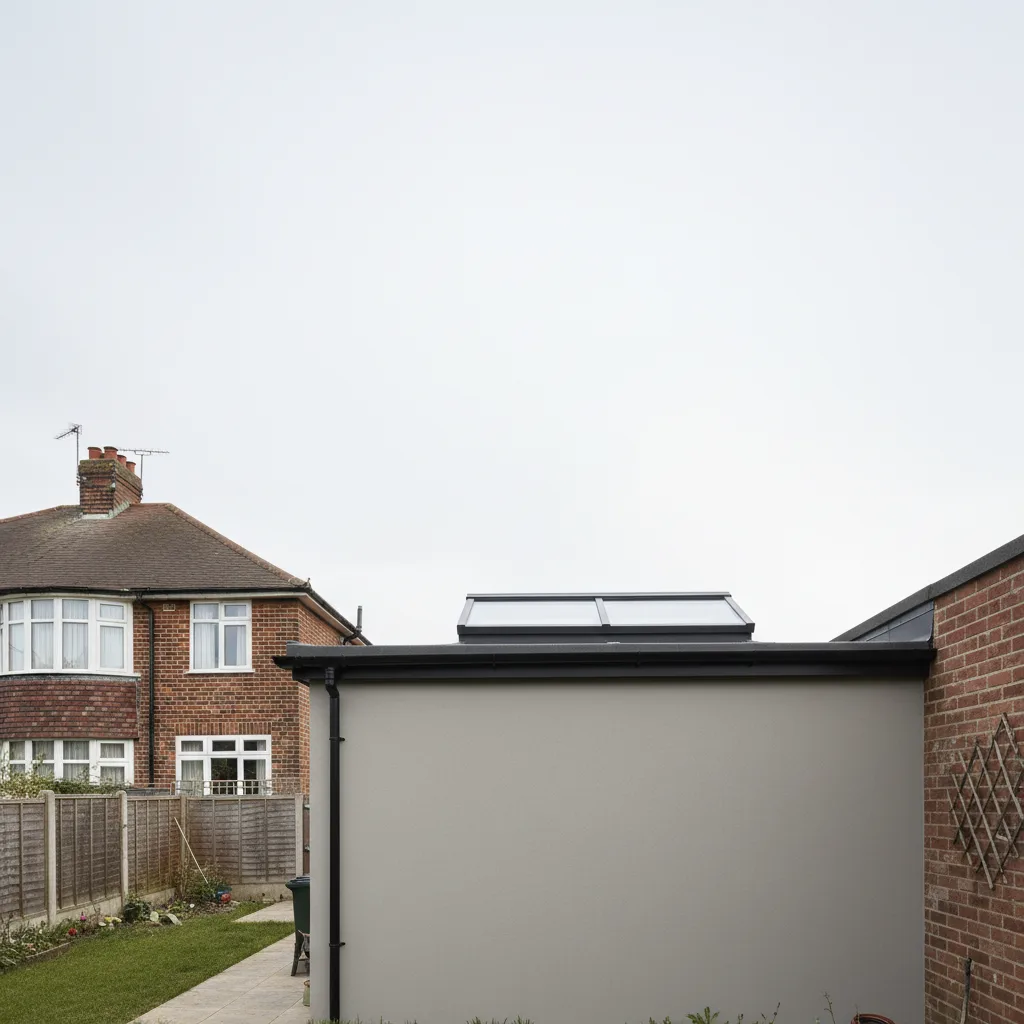
A modern glass roof window is quieter in the rain than most people expect, and considerably quieter than the old plastic dome or a polycarbonate sheet it often replaces. The noise you hear is rain hitting the outer pane and the frame, and how loud that ends up in the room comes down to four things: whether the glazing is glass or plastic, how thick and layered the panes are, the pitch the unit sits at, and how well the surround is packed with insulation.
Glass or plastic decides most of it
The single biggest factor is what the rain is landing on. A thin polycarbonate or acrylic dome acts like a drum skin. It is light, it flexes, and it turns each drop into a tap that the whole panel amplifies. In heavy rain that adds up to a steady rattle you can hear across a room, and hail on a plastic dome is loud enough to wake people. This is why so many people who grew up with an old plastic rooflight assume all overhead glazing is noisy.
A sealed glass unit behaves nothing like that. Glass is heavy and stiff, so it barely moves when a drop hits it, and a double or triple glazed unit has a sealed air or gas gap that breaks the path sound would travel along. The rain is still there, but it reads as a soft wash rather than a drum roll. If your only reference point is a decades-old plastic light, replacing it with a sealed glass roof window is the change that settles the noise, and the swap is straightforward because the opening is usually already there. Plenty of people keep a plastic option for a garage or a utility roof, and there is a place for it, but for a room you live in the difference in quiet is worth the cost. Our page on plastic and polycarbonate rooflights sets out where each material earns its keep.
The glass build-up you can quieten it with
Not all glass units sound alike. A few choices in the specification move the needle on rain noise, and they are worth asking about by name.
- Laminated inner pane. A laminated pane is two sheets of glass bonded around a plastic interlayer. That interlayer is a damper: it soaks up vibration instead of passing it on, so a unit with a laminated inner leaf sounds noticeably calmer under rain than one built from two plain sheets. It is also the pane that holds together if it is ever broken, which is why laminated inner glass is standard on anything fitted overhead.
- Asymmetric panes. When the two sheets of glass are different thicknesses, say a 4mm outer and a 6mm inner, they resonate at different frequencies and cancel each other rather than reinforcing the sound. Two identical panes ring together. A mismatched pair does not.
- A wider cavity or triple glazing. More gap between the panes gives the sound further to travel and more chances to lose energy on the way. Triple glazing adds a third leaf and a second cavity, which helps a little with rain and more with road or aircraft noise.
- An acoustic interlayer. Where noise really matters, the laminating interlayer can be an acoustic grade specifically tuned to absorb sound. It is a modest addition to the glass cost and the most direct lever you have.
There is a useful overlap here with the reason this business exists. On a south-facing roof we specify solar-control glazing to hold down summer heat, and that glass is usually a thicker, laminated, coated build-up rather than plain clear double glazing. The same mass and lamination that keep the July sun in check also happen to deaden rain noise, so the unit that solves overheating tends to be a quiet one as a side effect. You are not choosing between a cool room and a calm one.
Pitch and position change what you hear
The angle the window sits at matters. Rain strikes a steep pitch at a glancing angle and runs straight off, so a roof window on a 40 or 45 degree slope barely registers a downpour. Lay the same unit closer to flat and the rain lands square on the glass and sits there a moment before draining, which is louder and is one reason a flat rooflight or a lantern reads noisier than a pitched one in the same storm. If you are putting glazing into a sloped roof, the pitch is already working in your favour, and it is one of the quiet advantages of a pitched roof skylight installation over a flat one.
Position counts as well. A roof window in a loft conversion is only a rafter’s depth from your head, with no ceiling void between you and the glass to absorb anything, so it will always sound closer than a rooflight over a double-height kitchen where the sound has room to disperse before it reaches you. Neither is a fault. It is just physics of distance, and it is worth picturing before you decide a room will be too loud.
Installation is the half nobody mentions
Two identical windows can sound different depending on how they were fitted. The gap between the window frame and the timber it sits in has to be packed with insulation. Left as an air gap, that void behaves like the body of a guitar and amplifies both rain and wind. Filled properly, it soaks the sound up. A good insulation collar around the frame is doing acoustic work as much as thermal work.
The flashing and the drainage matter too. Water needs to leave the top and sides of the window cleanly and run down the roof, not pool against the frame or drip onto the flashing from a height. Flashing that is loose or badly formed can tick and drip in a way that has nothing to do with the glass and everything to do with the detailing. This is ordinary fitting done properly, and it is the part that separates a window you forget about in a storm from one you notice every time. It is also why a professionally installed unit, whether a new opening or a replacement roof window, tends to be quieter than the same product dropped in without care.
What to do next
If your current noise problem is an old plastic dome or a tired rooflight, the answer is a sealed glass unit, ideally with a laminated inner pane, set at the pitch your roof gives you. If you are specifying a new window from scratch, ask the supplier for a laminated inner leaf and, where the room faces a busy road or you simply want it as calm as possible, an acoustic interlayer and an asymmetric pane pairing. Ask for the glass specification in writing rather than the word “quiet”, the same way you would ask for a G-value rather than “solar control”.
If you would like us to look at what is making a room loud and what would settle it, tell us which way the roof faces, its rough pitch, and whether the glazing there now is glass or plastic. Ring 01702 898232 or request a quote, and we will specify the unit and the fitting to match the room rather than just fill the hole.
Related reading
Roof pitch and what it means for a roof window
Roof pitch and what it means for a roof window. What it means in practice on Essex housing stock, and…
What roof pitch do I need for a roof window?
What roof pitch do I need for a roof window? The short answer, then the detail that actually matters.
Fitting a roof window into a tiled roof
Fitting a roof window into a tiled roof. What it means in practice on Essex housing stock, and how we…
How much does a pitched roof skylight cost?
How much does a pitched roof skylight cost? The short answer, then the detail that actually matters.
Do you need planning permission for a roof window?
Do you need planning permission for a roof window? The short answer, then the detail that actually matters.
Slate roofs and flashing kits explained
Slate roofs and flashing kits explained. What it means in practice on Essex housing stock, and how we approach it.